
 CALL: 604-245-7474


2026
Travelling With Your Pet This Summer? Here’s What to Plan in May
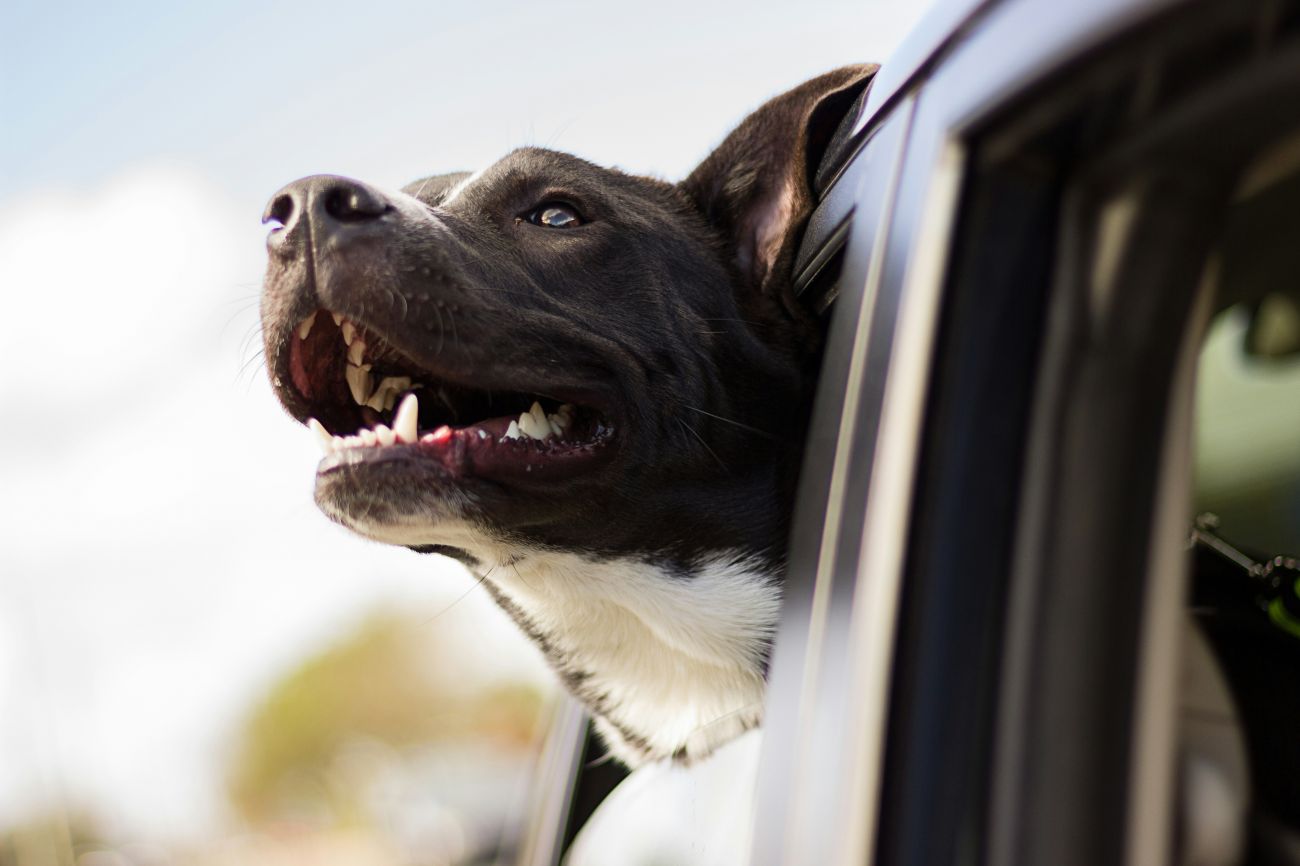
Summer travel plans take shape fast in May. Whether you’re heading to Vancouver Island for a long weekend, road-tripping through the Okanagan, flying east, or crossing into the US, the time to get your dog or cat ready is now — not the week before you leave.
Here’s a practical checklist of what to handle in May so your summer trip goes smoothly.
1. Book a Pre-Travel Vet Visit Now
If you haven’t been in for a wellness check in the last 12 months, this is the time. A pre-travel visit lets us:
- Make sure your pet is healthy enough for the trip
- Update any vaccines, including ones you might not have on your radar
- Refill enough medication to last the whole trip plus a buffer
- Discuss travel-anxiety options if your pet is nervous in cars or at boarding
- Sign off on health certificates if you’re flying or crossing the border
Why now? Some vaccines need to be given two to four weeks before travel to be effective, and US/international health certificates have specific timing windows that often catch people off guard at the last minute.
2. Vaccinations Beyond the Basics
Most Richmond dogs are up to date on rabies, DA2PP (distemper/parvo), and Bordetella, while most cats are current on rabies and FVRCP (feline viral rhinotracheitis, calicivirus, and panleukopenia). But summer travel often calls for a couple of extras most owners don’t think about:
- Leptospirosis — a bacterial infection spread through water contaminated with wildlife urine. Critical for dogs heading anywhere with lakes, creeks, or off-leash hikes (Okanagan, Kootenays, Vancouver Island). This vaccine is dog-specific and not applicable to cats.
- Lyme disease vaccine — worth discussing if your dog is heading to Vancouver Island, eastern Canada, or the eastern US, where Lyme is far more prevalent than in the Lower Mainland. Like leptospirosis, this vaccine is only given to dogs.
- Bordetella (kennel cough) — required by most boarding kennels and groomers for dogs; needs to be given at least a week before boarding. Cats heading to a cattery may be asked for a current feline respiratory (FVRCP) booster instead.
- Rabies certificate — required for cross-border travel for both dogs and cats. Make sure yours is current and bring a copy.
3. Microchip and ID Check
Travel is the single most common time for pets to get lost. New surroundings, unfamiliar smells, open car doors — it adds up fast, and cats in particular can bolt and hide the moment a carrier or door is left open.
Before you leave:
- Confirm your pet’s microchip is registered and your contact info is current. Old phone numbers and email addresses are why so many lost-and-found microchip scans fail.
- Check the collar tag — phone number legible, no rust, on a solid ring. For cats, use a breakaway safety collar so it can't catch on something and cause injury.
- Add a temporary travel tag if you’ll be at a single destination for several days. Vacation rental address + your cell phone gets your pet home faster than a home address two provinces away.
- Take a current, clear photo of your pet on your phone — good lighting, full body, identifying markings visible. You don’t want to be searching your camera roll if the worst happens.
4. Travel Anxiety: Plan Early, Not the Day Before
If your dog or cat gets stressed in the car or in unfamiliar places, please don’t wait until the morning of your departure to figure it out.
Modern options for travel anxiety include:
- Trazodone or gabapentin — vet-prescribed, well-tolerated, low side-effect medications used widely for travel and vet-visit anxiety in both dogs and cats. We may want to do a low-dose trial before your trip.
- Sileo — a gel for dogs with noise-related anxiety (great for thunderstorms or fireworks during your trip).
- Adaptil (dogs) and Feliway (cats) pheromone products — collars, sprays, or plug-ins. Best started a few days before travel; a Feliway spray in the carrier itself can help a lot with cats.
- Behavioural desensitization — short, positive practice trips in May before the real one in July.
Never self-medicate your pet. This includes human anti-anxiety medications, leftover prescriptions from another pet, or anything not specifically prescribed for this trip. Many human medications are dangerous or even fatal for dogs and cats, and correct dosing depends on species, weight, and health history. Always get a proper veterinary prescription before giving your pet anything for travel anxiety — please check with us first rather than reaching for the medicine cabinet.
A note for cat owners: many cats are genuinely happier staying in familiar surroundings with a trusted sitter than coming along on a trip, especially for long car rides or flights — it's worth considering before you commit to bringing them. If your cat is coming, start acclimating them to the carrier at home at least two weeks ahead (treats, meals, and naps inside it with the door open), skip a full meal right before departure to reduce car-sickness, and never let your cat ride loose in the vehicle. A secured, well-ventilated carrier is essential for their safety and yours.
5. Boarding, Sitters, and Pet-Friendly Stays
Summer boarding spots in the Lower Mainland fill up fast — book by mid-May for July and August dates. Whichever option you choose:
- Confirm vaccination requirements (most boarding kennels need Bordetella, DA2PP, and rabies for dogs; catteries typically ask for a current FVRCP and rabies for cats)
- Drop off any required medication with clear written instructions, and never send along a substitute or leftover medication that wasn't specifically prescribed for your pet
- Leave our clinic’s number with your sitter or boarding facility
- Provide a familiar bed, toy, or t-shirt that smells like you — it really does help, and for cats, familiar bedding plus their usual litter can reduce stress considerably
6. Crossing the Border or Flying
If you’re heading into the United States with your dog or cat, you need:
- A current rabies vaccination certificate
- An international health certificate signed by your vet (varies by airline and destination state)
- A USDA-approved travel crate if flying in cargo (cats are often better candidates for in-cabin travel than dogs, if your airline allows it — worth checking early)
- Awareness of your airline’s policies — they vary widely on size limits, breed restrictions, temperature embargoes, and required documentation
We can issue most domestic and US health certificates at Petsville. International travel (especially to the EU, UK, Australia, or Hawaii) often requires titer tests, USDA endorsement, and timing windows of several months — please book those visits as early as possible.
7. A Travel Kit Worth Packing
- Two days’ extra food in case of delays
- Bottled water (sudden water-source changes upset a lot of pets’ stomachs)
- Medications + a written list of names and doses — stick to what's been prescribed for your pet specifically, and never substitute your own or another pet's medication
- Vaccine and rabies certificates (paper copies, not just photos)
- Travel water bowl, leash, harness, and poo bags for dogs; a secure carrier, portable litter box, and litter for cats
- Pet first-aid kit (gauze, antiseptic wipes, tweezers for ticks, styptic powder)
- Familiar bedding and a favourite toy
- Our clinic phone number + the nearest 24-hour emergency vet at your destination
How Petsville Helps You Travel Well
We do pre-travel consults all spring and summer at Petsville, for dogs and cats alike. We’ll review vaccines, prescribe travel-anxiety medication if needed, issue health certificates, and walk you through anything specific to your destination — whether that’s the Sunshine Coast or San Diego.
Book a pre-travel consultation at Petsville Animal Hospital — petsvillevets.com or call us today.
 Call: 604-245-7474
 meow@petsvillevets.com
 120 - 3511 Moncton Street,